Introduction
The craft spirits sector has grown significantly over the past decade, driven by consumer demand for premium, small-batch products and authentic brand stories. At the same time, competition and rising production costs are pushing distilleries to operate more efficiently. As a result, automation in craft distilleries—once dismissed as a feature for large industrial plants—is now becoming a strategic advantage for small and midsize producers.
This article explores how modern automation technologies integrate with traditional distilling practices, how craft distillers can maintain artistic control, and what equipment investments deliver the most value.
Why Automation Is Increasing in Craft Distilleries
Demand for Consistency
Consumers expect every bottle to reflect the same flavour profile. Manual operation—while traditional—introduces variation in cut points, heating rates, and fermentation conditions. Automation helps stabilize these key parameters.
Labour Efficiency
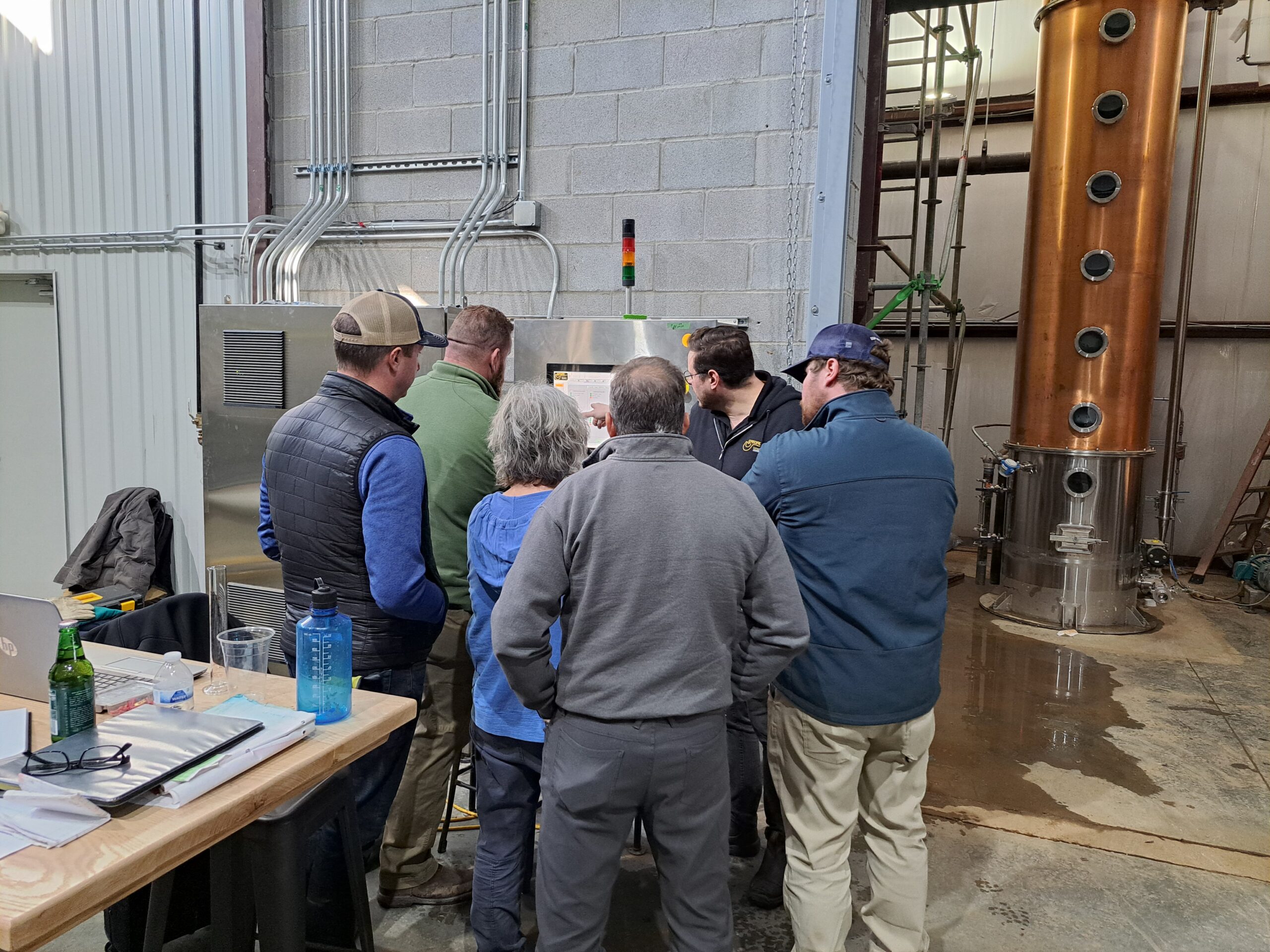
Distillery operators often manage multiple tasks at once, from mashing and fermenting to running the still and handling packaging. Automated controls reduce manual monitoring, allowing operators to focus on tasks that require human skill and sensory judgment.
Scalability
Automation enables a distillery to scale from small-batch production to broader distribution without sacrificing quality. Automated data tracking, recipe management, and batch reporting support regulatory compliance and long-term growth.
Key Areas Where Automation Adds Value
Automated Mash and Cook Controls
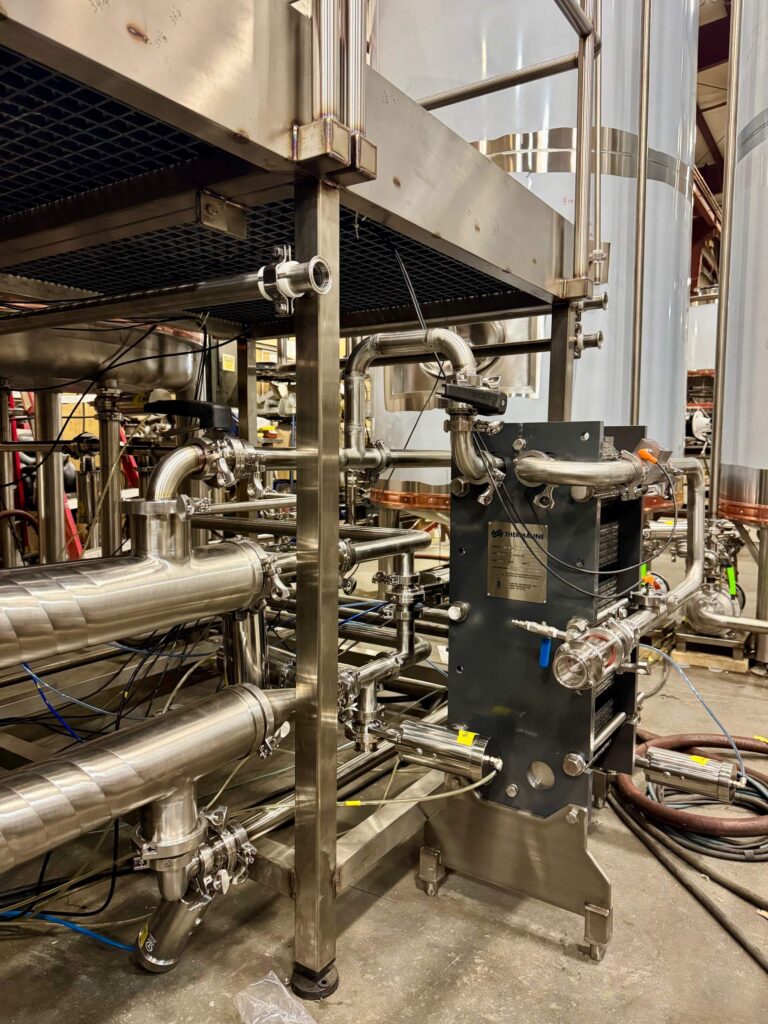
Automating the mash tun delivers precise temperature control, staged heating profiles, and consistent grain-to-water ratios. PLC-controlled valves, pumps, and agitation systems reduce manual errors and improve extraction efficiency.
Fermentation Monitoring
Temperature swings during fermentation can dramatically affect flavour. Automated coolant control, temperature ramping, and data logging help maintain ideal yeast activity while reducing operator intervention.
Still Automation
Modern automated stills maintain the craft distilling tradition while optimizing performance. Key automated features include:
- Automated steam control for heat-up and balance
- Programmable head, heart, and tail cut points
- Reflux ratio control on continuous and hybrid stills
- Draw off control on continuous stills
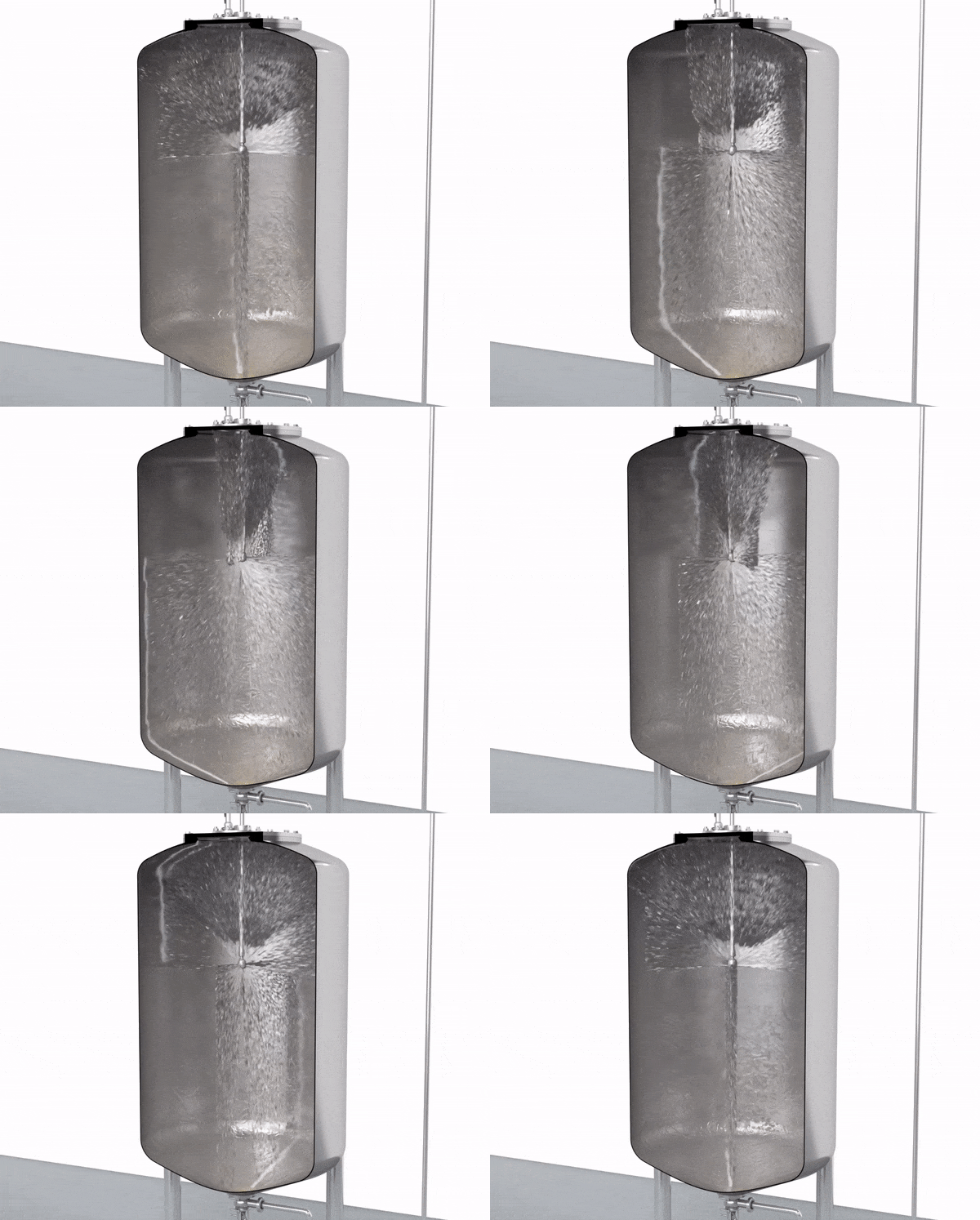
- Automated CIP for improved sanitation
Material Handling & Transfer Systems
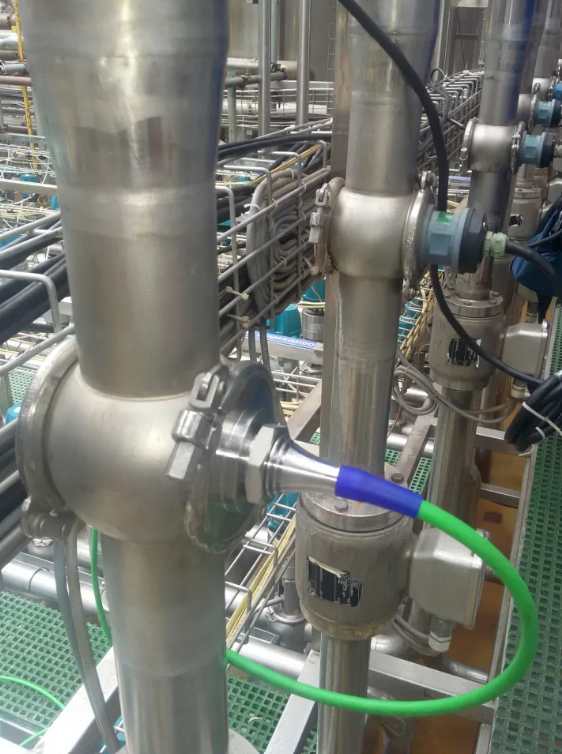
Automated pumps, flow meters, and level sensors ensure smooth, safe, and consistent product movement—especially important when handling high-proof alcohols.
Grain handling systems, including knife gate valves, conveyance equipment, mill motor control, etc., from silos to grist hopper.
Maintaining the “Art” in Craft Distilling
Automation does not replace the distiller—it enhances their capabilities. The artistry still comes from:
Recipe Development
The creative process, including grain selection, yeast strain choice, and barrel management, is untouched by automation. Distillers still design the sensory profile they want to achieve.
Sensory Cut Decisions
Even with automation managing heat-up and reflux, distillers can retain manual control over cuts based on taste, aroma, and mouthfeel.
Experimentation
Automation frees operators from routine monitoring so they can invest more time in innovation, pilot batches, and testing new distillation parameters.
Brand Storytelling
Craft distillers can confidently communicate that automation supports quality and safety while the distiller’s knowledge still guides each batch.
Practical Steps for Implementing Automation
Start with the Greatest Return on Investment
For most craft distilleries, the greatest efficiency gains come from:
- Automated grain handling equipment to reduce labour requirements
- Automated recipe control in cooking and fermentation
- Automated still control for reflux, draw-offs, and cuts, especially in a continuous distillation
Choose Scalable Control Systems
PLC-based systems allow incremental upgrades as the distillery expands—ideal for small operators planning long-term growth.
Work with Equipment Built for Automation
When selecting new mash systems, fermenters, or distillation equipment, ensure the equipment manufacturer offers integrated automation options and modular upgrades.
Invest in Training
To fully leverage automation, operators must understand both the technology and the underlying distillation science.
How Automation Improves Operations
Improved Yield
Distilleries using automated heating profiles often report higher extract efficiency and improved alcohol yield from grain inputs.
Reduced Energy Consumption
Fine control over steam or electric heat reduces unnecessary energy use during mashing, heat-up, and distillation.
Enhanced Safety
Automated pressure relief, interlocks, and monitoring systems reduce risks associated with high-temperature or high-proof environments.
Robust Compliance Reporting
Automated batch data logs provide traceability for TTB, CFIA, and other regulatory bodies.
Conclusion
Automation is no longer reserved for large industrial distilleries. Modern craft distilleries are integrating automation to improve consistency, reduce labour demands, and enhance operational safety—while preserving the creativity and hands-on expertise that define the craft spirit movement. The right combination of automated distilling equipment, process controls, and scalable systems allows distillers to balance tradition with performance, ensuring they remain competitive in the market.
If your distillery is evaluating opportunities for automation—whether upgrading existing systems or designing a new turnkey solution—our team can support you with tailored equipment recommendations, PLC integration options, and complete system design.