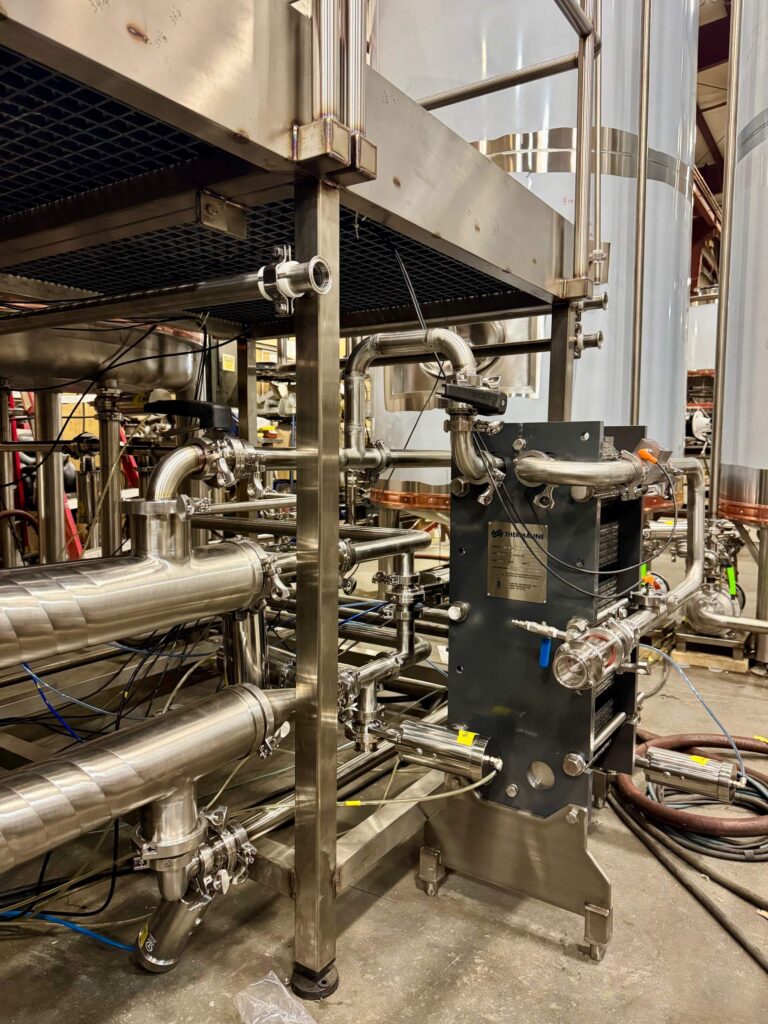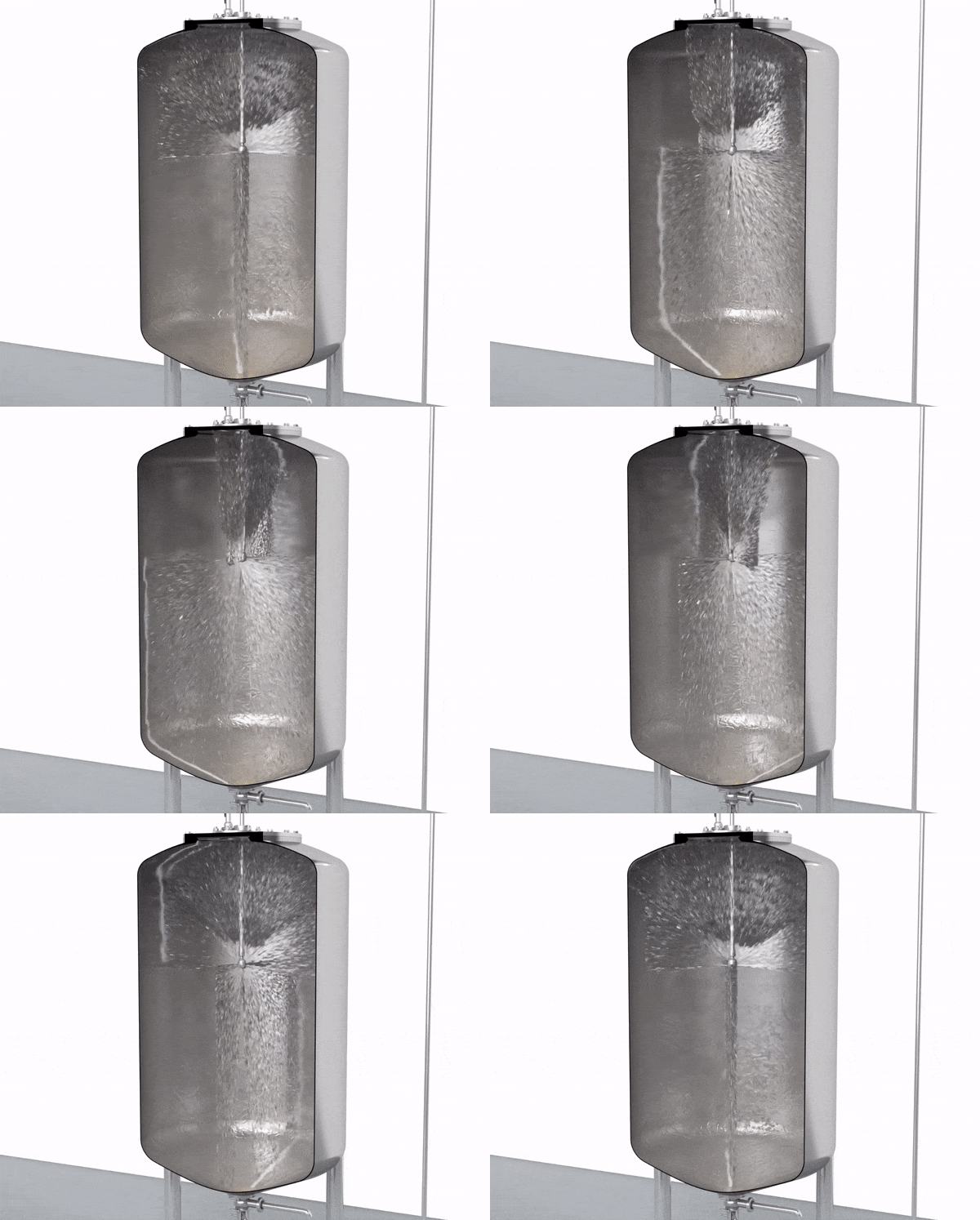
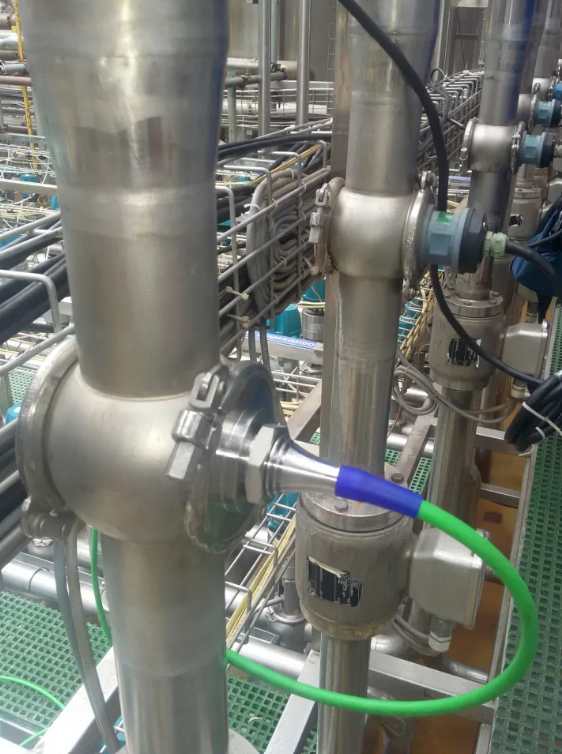
How Return Line Design Impacts Cleaning Performance, Pump Sizing, and Operating Costs
Clean-In-Place (CIP) systems are often designed around supply-side variables — pump sizing, spray ball flow rates, chemical concentration, and temperature.
However, one of the most overlooked and most critical design elements in any brewery or distillery CIP system is the return line.
Whether you’re cleaning a 30 BBL fermenter or a 900 HL spirit holding tank, the difference between a properly designed high-flow return and an undersized low-flow return can mean:
- Longer cleaning cycles
- Cavitation at the pump
- Poor soil removal
- Chemical dilution issues
- Increased water and energy consumption
Let’s break down the key differences and what should be considered during system design.
Why CIP Return Lines Matter
In any properly engineered CIP system:
- The supply pump delivers cleaning solution at a calculated flow rate and pressure.
- Spray devices create mechanical impingement.
- The solution drains via gravity to the CIP return.
- The return line conveys solution back to the CIP skid.
If the return line is improperly designed, the entire system performance degrades — regardless of how powerful the supply pump is.
High-Flow CIP Return Lines
What Defines High-Flow?
High-flow CIP return lines are designed to accommodate:
- Large production fermenters (300–900 HL / 250–800 BBL)
- Large diameter spray devices
- Multiple tanks returning simultaneously
- High-volume caustic circulation systems
Typical characteristics:
- Larger pipe diameters (e.g., 3”–6” / DN80–DN150)
- Sloped piping for gravity assist
- Proper venting to avoid vapor lock
- Trench or floor channel integration
Design Considerations
1. Flow Rate Matching
Return line diameter must match or exceed supply-side flow. Undersizing creates backpressure and reduced spray performance.
2. Gravity Drainage
Return piping should maintain:
- 1–2% slope minimum
- No flat spots
- No dead legs
3. Vapor and Foam Handling
High-flow CIP systems often generate:
- Caustic vapor
- CO₂ carryover (especially in breweries)
- Foam from proteins or yeast
Return systems must be vented properly to prevent air lock.
4. Pump Protection
A high-flow return reduces:
- Risk of pump starvation
- Cavitation
- Pressure fluctuation
This protects seals, mechanical components, and extends pump life.
Low-Flow CIP Return Lines
What Defines Low-Flow?
Low-flow return systems are common in:
- Brewpubs
- Small distilleries
- Pilot systems
- 3–15 BBL systems
Typical characteristics:
- 1.5”–2” piping (DN40–DN50)
- Hose-based connections
- Manual tank cleaning
- Single-vessel return at a time
Where Low-Flow Works Well
- Smaller tanks (<100 HL / <85 BBL)
- Dedicated single-tank CIP
- Lower mechanical spray requirements
- Budget-constrained facilities
However, scaling production without upgrading return piping creates problems quickly.
Key Engineering Differences
| Design Variable | High-Flow Return | Low-Flow Return |
|---|---|---|
| Typical Tank Size | 300–900 HL (250–800 BBL) | 10–100 HL (8–85 BBL) |
| Pipe Diameter | 3”–6” (DN80–DN150) | 1.5”–2” (DN40–DN50) |
| Simultaneous Tanks | Often yes | Rarely |
| Foam Handling | Engineered venting required | Minimal |
| Expansion Capability | High | Limited |
Common Design Mistakes
1. Designing for Today, Not for Expansion
We often see breweries scale from 30 HL to 150 HL fermenters while retaining 2” CIP returns. The result:
- Slower drainage
- Incomplete tank turnover
- Pump stress
Future capacity planning should be built into return sizing from the beginning.
2. Ignoring Static Head and Elevation
If your fermenter cone outlet sits 4–6 m above the CIP skid, return piping must consider:
- Static head pressure
- Friction loss
- Drain time
Return design should be calculated — not assumed.
3. Poor Hygienic Design
Improper return manifolds create:
- Dead legs
- Trapped solids
- Biofilm risk
All return piping must meet sanitary design standards appropriate to breweries and distilleries.
Energy & Operating Cost Impact
An undersized return line increases:
- Pump run time
- Caustic heating requirements
- Water usage
- Cycle duration
Even a 10–15% increase in CIP time per tank adds significant annual cost in high-production breweries or distilleries.
Well-designed high-flow returns reduce:
- Cleaning time
- Chemical waste
- Pump maintenance
- Operator intervention
Brewery vs. Distillery Considerations
Breweries
- Higher protein and yeast loads
- CO₂ carryover in return lines
- Foam management critical
- Larger fermenter banks
Distilleries
- Mash solids and grain fines
- Higher temperature wash return
- Potential stillage carryover
- Different soil chemistry (molasses vs. grain)
Return design should reflect the type of soil being removed.
When Should You Upgrade to High-Flow?
Consider upgrading if:
- You are installing tanks over 200 HL (170 BBL)
- You plan to CIP multiple vessels simultaneously
- CIP cycles exceed 90 minutes
- You see inconsistent spray performance
- You experience cavitation or pump seal failures
Engineering Best Practices
At Specific Engineering Solutions, we evaluate:
- Required spray device flow (L/min & GPM)
- Pump curves
- Friction loss calculations
- Elevation differences
- Future expansion planning
- Sanitary layout compliance
CIP return lines are not just plumbing — they are part of a fully integrated cleaning system.
Final Takeaway
High-flow vs. low-flow CIP return design is not simply about pipe diameter.
It is about:
- System balance
- Hygiene
- Pump protection
- Energy efficiency
- Scalability
In high-capacity production environments, return design can determine whether your cleaning program is efficient — or a constant bottleneck.
If you’re designing a new brewery or distillery, or evaluating an expansion, proper CIP return engineering should be part of the discussion from day one.