
The Rise of Non-Alcoholic Beverage Demand
The global beverage landscape is undergoing a significant shift. Once viewed as a niche or novelty category, non-alcoholic (NA) beers and spirits are now one of the fastest-growing segments in the drinks industry. Driven by changing consumer lifestyles, wellness trends, and improved product quality, non-alcoholic beverages have moved firmly into the mainstream.
Consumers are no longer simply looking to abstain from alcohol—they want full-flavoured, premium experiences without compromise. This demand has created new challenges and opportunities for breweries, distilleries, and equipment manufacturers alike. Producing non-alcoholic beverages at commercial scale requires specialized process design, precise control, and adapted equipment systems—areas where engineering expertise plays a critical role.
Challenges of Producing Non-Alcoholic Spirits and Beers
Unlike traditional brewing or distilling, non-alcoholic production must balance two competing goals: removing or limiting alcohol while preserving flavour, aroma, and mouthfeel. Alcohol contributes significantly to body, volatility, and flavour delivery, so its absence exposes weaknesses in both recipe design and process control.
Key challenges include:
- Flavour loss during alcohol removal, especially volatile aromatics
- Maintaining microbial stability without alcohol as a preservative
- Achieving consistency at scale, particularly for low-ABV (<0.5%) products
- Regulatory compliance, including precise alcohol measurement and labeling
- Higher process complexity, often requiring additional steps or equipment
For producers accustomed to conventional brewing or distilling, these challenges often require rethinking the entire production flow, rather than making minor adjustments.
Modifications Needed in Brewing and Distilling Equipment
Producing high-quality non-alcoholic beverages typically demands equipment modifications or purpose-built systems, rather than standard brewing or distilling setups.
Brewing Equipment Adaptations
For non-alcoholic beer, common equipment modifications include:
- Low-temperature mashing systems to limit fermentable sugars
- Specialized lauter tun and mash tun designs for precise enzyme control
- Fermentation vessels with enhanced temperature and pressure control
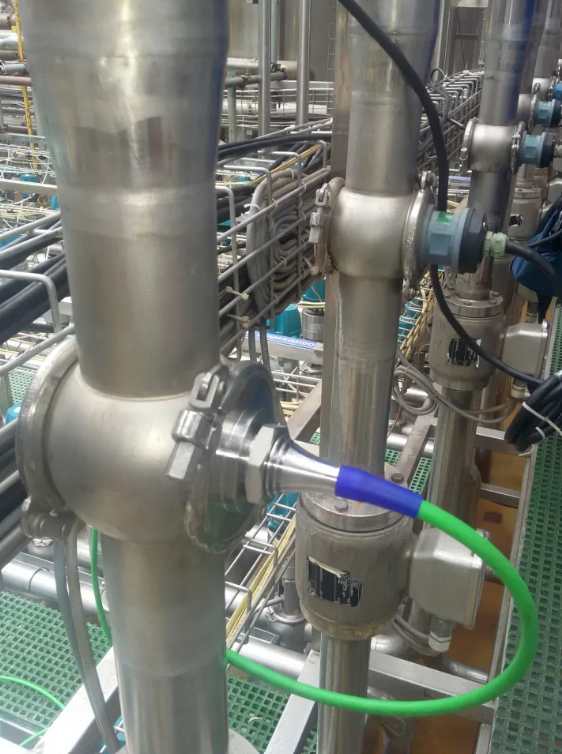
- Dealcoholization units, such as vacuum distillation or membrane filtration
- Advanced CIP systems, as lower alcohol products increase sanitation demands
Distilling Equipment Adaptations
Non-alcoholic spirits present unique engineering requirements:
- Botanical extraction systems designed to capture flavour without ethanol
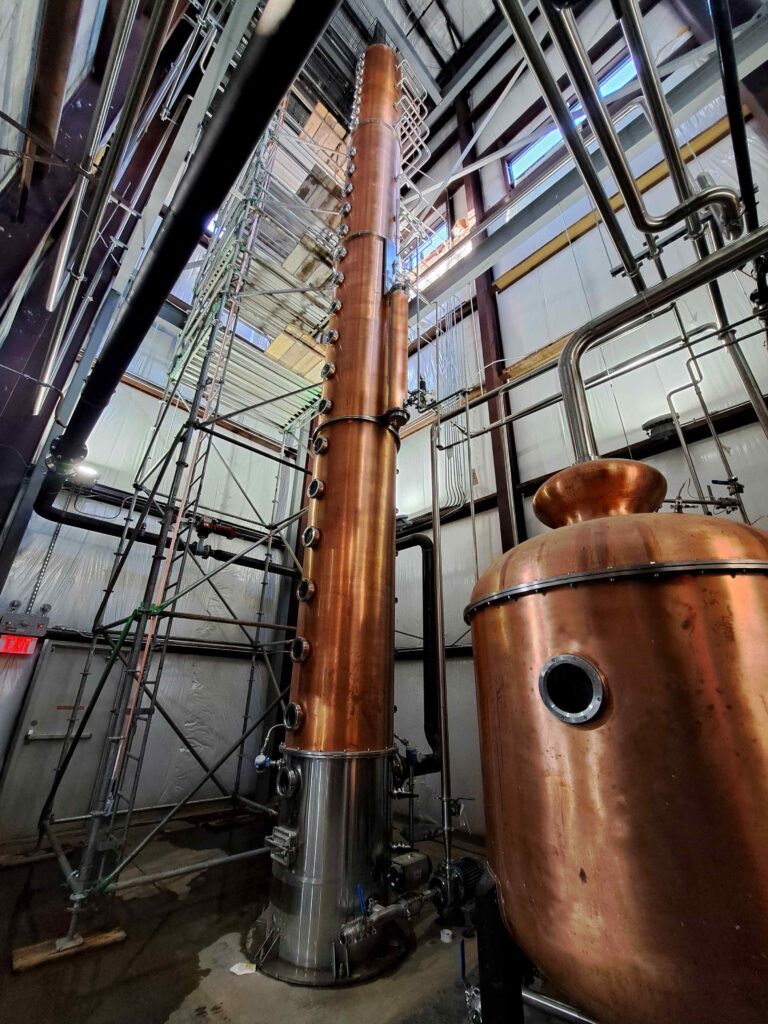
- Vacuum-assisted distillation to preserve delicate aromatics at low temperatures
- Fractional condensation systems for aroma recovery and recombination
- Precise dosing and blending systems to replicate traditional spirit profiles
In many cases, producers require hybrid systems capable of producing both alcoholic and non-alcoholic products, increasing the importance of flexible, modular design.
Innovations in Flavour Extraction and Alcohol Removal
Technological innovation has been central to the rise of non-alcoholic beverages. Equipment manufacturers and process engineers are developing new ways to separate alcohol while retaining complexity.
Key Innovations Include:
- Vacuum Distillation: Lowers boiling points, allowing alcohol removal at reduced temperatures and minimizing flavour degradation.
- Membrane Filtration (Reverse Osmosis): Separates alcohol and water from flavour compounds, which can later be recombined.
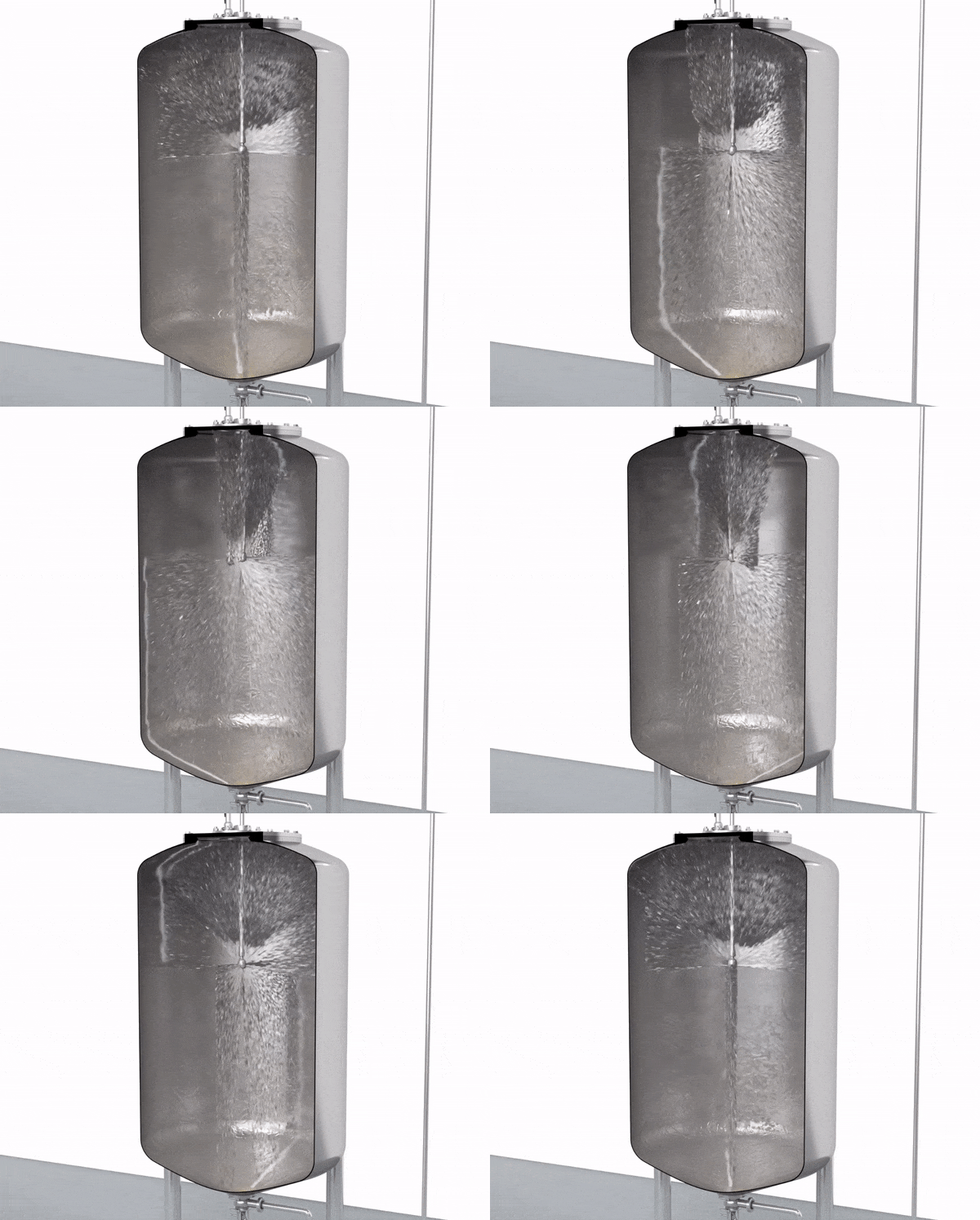
- Spinning Cone Column Technology: Enables aroma capture before alcohol removal and reintroduction afterward.
- Advanced Botanical Extraction: Uses controlled heat, pressure, and solvent alternatives to build layered flavour profiles without fermentation.
These innovations shift the focus from simply “removing alcohol” to engineering flavour-first processes, where alcohol content is just one controlled variable.
Summary
The non-alcoholic spirits and beer market is no longer experimental—it is a maturing, high-growth segment demanding professional-grade engineering solutions. As flavour expectations rise and regulations tighten, success increasingly depends on purpose-built equipment and intelligent system design.
Future equipment trends will continue to emphasize:
- Lower-temperature, flavour-preserving processes
- Modular and multi-product system capability
- Advanced automation and control
- Hygienic design for low-alcohol environments
- Scalable solutions for growing brands
For producers looking to enter or expand within the non-alcoholic market, the right engineering partner can be the difference between a short-lived product and a sustainable, scalable operation. At Specific, we’re proud to support this evolving category with innovative, adaptable systems designed for what’s next.